Serralves em Luz: When the Night Comes to Life
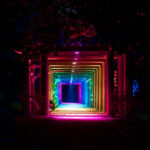
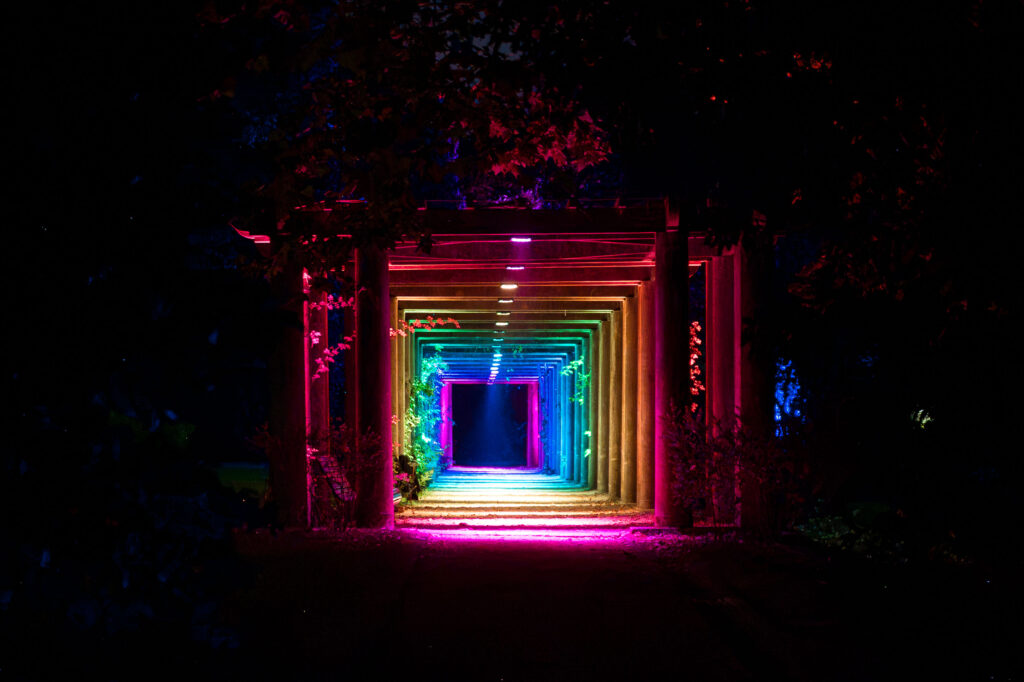
This year, Serralves em Luz returns for its fourth edition, once again promising to surprise even those who think they…

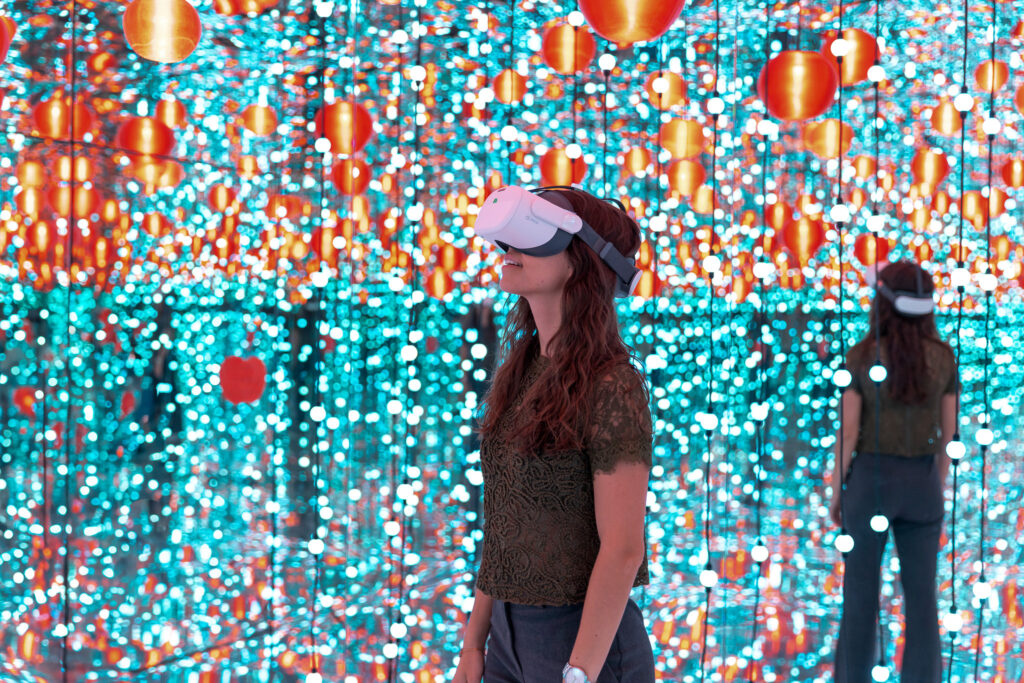
In the past, art and culture were mostly experienced through observation. We looked, we listened, we contemplated. Today, thanks to technology, we can become part of the experience itself. We walk through digital environments where sound and light surround us, travelling through different eras and stories without leaving the same space.
The way we experience art and culture is changing, and technology plays a fundamental role in that transformation.
For a long time, cultural experiences were mainly contemplative. We entered a space and assumed the role of spectators. We watched, observed and remained silent. Today, however, the public is looking for something deeper: involvement, participation, emotion and connection. More than simply seeing, we want to become part of the narrative, part of the story itself.
The real transformation is not just about the technology itself, but about the way it is used.
Immersive projections, digital environments, virtual reality, sound design and interactive installations create spaces that fully engage those who visit them. Instead of sitting on a bench looking at a painting, we can step inside it. A 360º degree perspective where we feel surrounded by the artwork.
It is not just about listening to a fado record on a vinyl player anymore, it is about hearing the voice as if it were right beside us. So real that we feel the familiar shiver that comes with the silence before a fado singer begins.
The shift from contemplation to participation completely transforms the experience. It is no longer just about seeing, it is about living.
It is important to understand that technology does not replace art. Instead, it amplifies it, adding new layers of emotion and connection.
Think about the difference between seeing The Starry Night by Van Gogh in a wall and stepping inside the painting itself.
Or having the chance to hear the voice of Amália Rodrigues as if she were performing live. Songs like Uma Casa Portuguesa, Gaivota or Marcha da Mouraria suddenly feel closer than ever before.
Technology becomes a bridge between the artwork and the audience, bringing culture to life in new and unexpected ways.
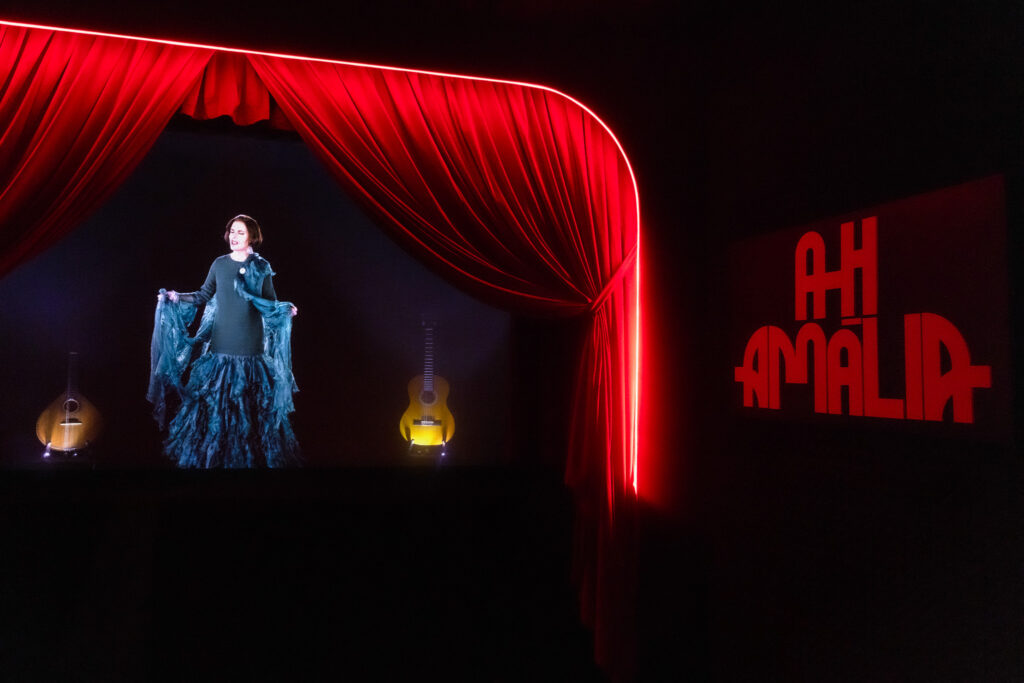
Technology is also transforming the way we learn through cultural experiences. OCUBO has been a pioneer in this transformation, creating unique immersive performances that mark special moments, celebrate important dates or simply create lasting memories.
More sensory and engaging experiences make knowledge more accessible and easier to retain. When we see, hear and feel at the same time, the experience becomes more memorable. Learning stops being passive and becomes experiential.
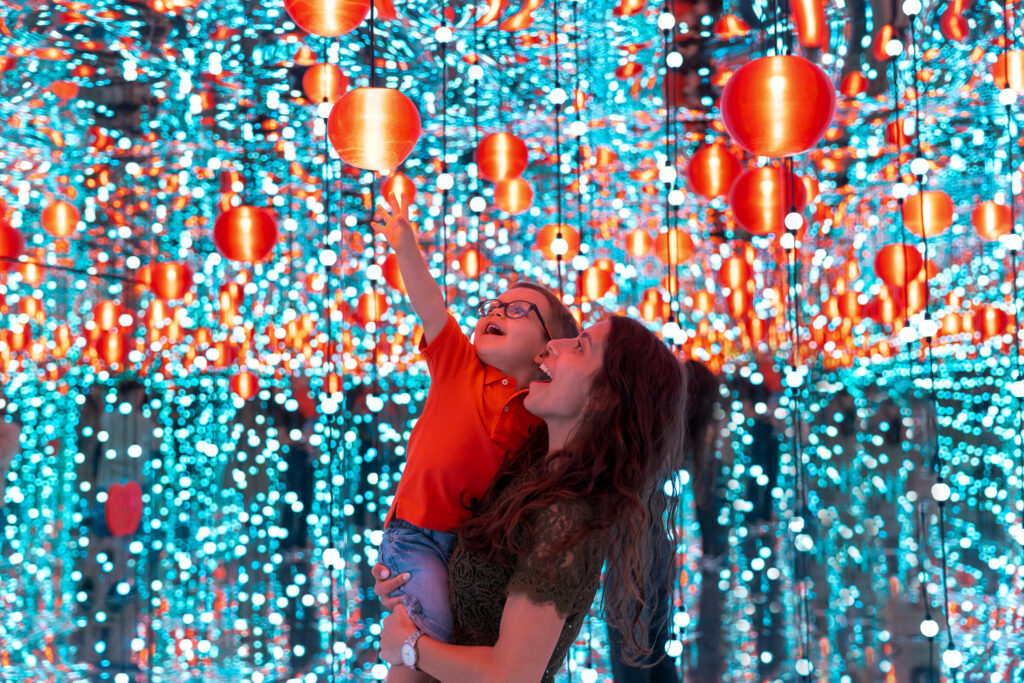
For families, this represents a new way of enjoying cultural programmes together. Children and adults share the same space, the same discoveries and the same emotions — each at their own pace, but all within the same story.
We live in a deeply digital era, constantly surrounded by content and screens. Because of this, people are increasingly seeking real and memorable experiences that can be shared beyond individual devices.
New cultural experiences combine the best of both worlds: the physical and the digital, the traditional and the innovative, the artistic and the technological.
Technology is redefining our relationship with art — not by distancing us from it, but by bringing us closer.
At Portugal Agenda, you can discover immersive experiences where technology becomes the perfect ally in creating unforgettable cultural moments.
Discover more experiences in other places.
This year, Serralves em Luz returns for its fourth edition, once again promising to surprise even those who think they…
Finding an activity that everyone in the family genuinely enjoys isn’t always easy. Every generation looks for something…
In Portugal, Summer means school holidays, and they’re finally here. Parents start juggling new routines, alarm clocks are…