
Serralves em Luz: When the Night Comes to Life
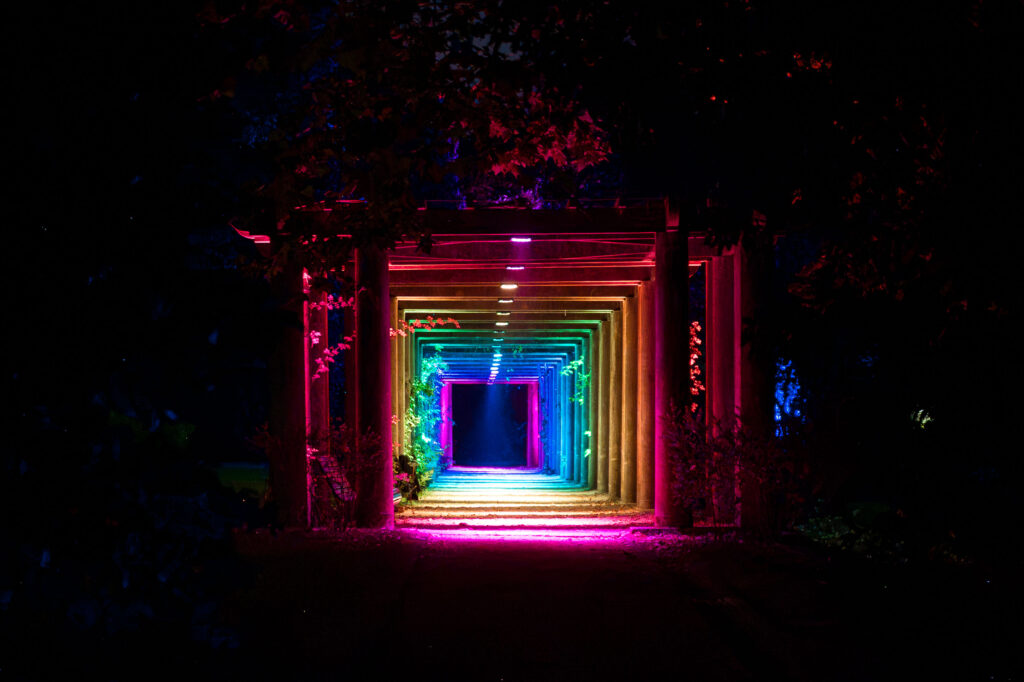
This year, Serralves em Luz returns for its fourth edition, once again promising to surprise even those who think they…

For a long time, the way we experienced art and culture was essentially contemplative. We would enter a museum, attend a performance or observe an artwork, almost always from a distance. Silence was part of the experience, as was the role of the spectator.
Today, that paradigm is changing.
Culture is no longer something we simply observe it has become something we live. At the centre of this transformation are immersive experiences, a new way of bringing audiences closer to art, history and emotion.
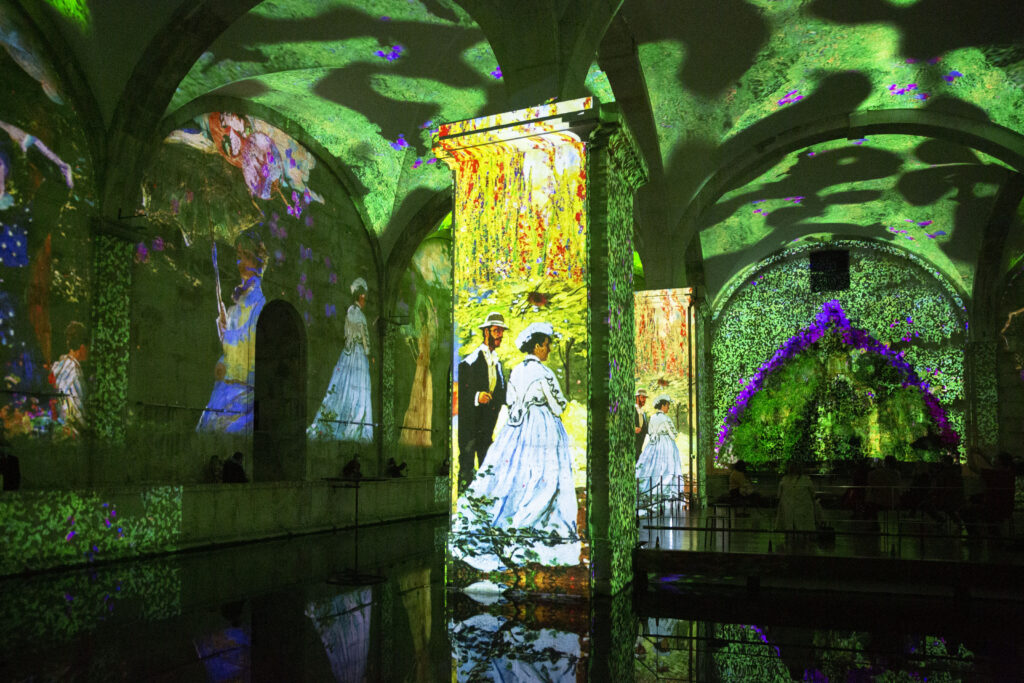
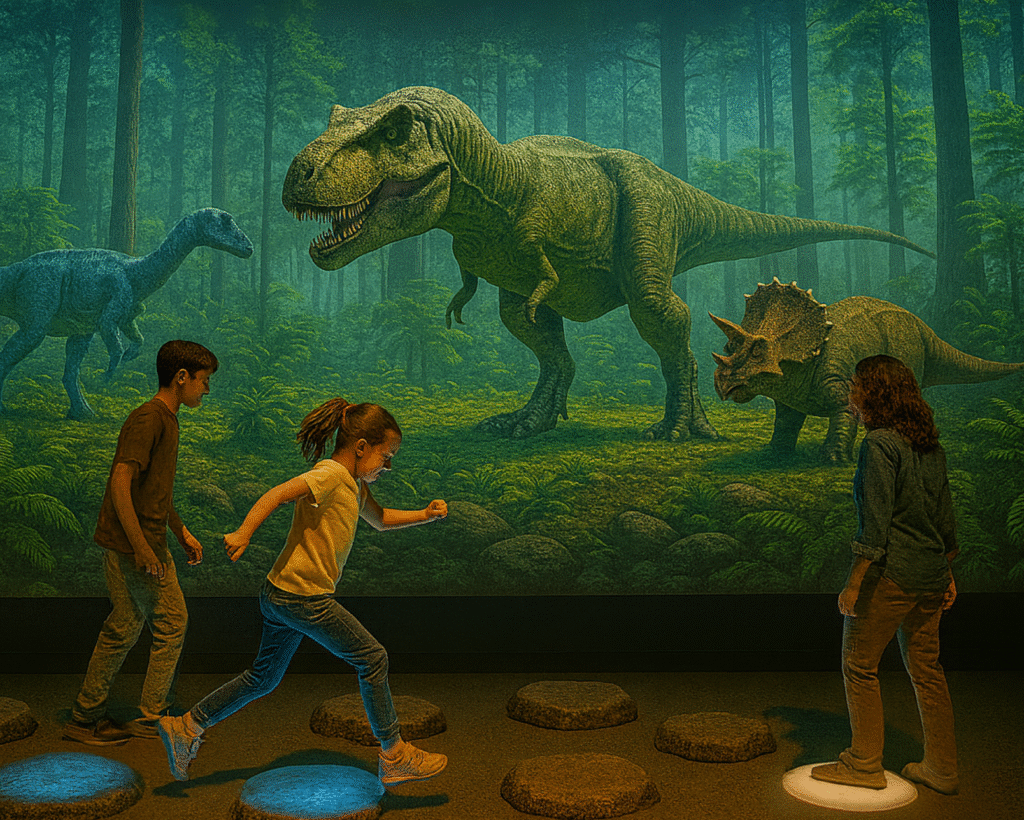
An immersive experience fully engages us. It goes beyond sight, activating multiple senses at once. Light, sound, colour, movement and narrative come together to create environments where the audience is no longer outside, but part of the experience itself.
In these types of experiences, we are not just watching a story, we are part of it.
We can walk through digital environments, travel across different periods, explore artistic worlds or immerse ourselves in historical moments. Everything happens within a single space, yet it has the power to transport us to entirely different realities.
It is this ability to engage and move people that is transforming the way we seek out and experience art and culture.
Technology plays a key role in this shift, not as the main character, but as an enabler.
Large-scale projections, 360º environments, immersive sound and interactive elements create more dynamic and accessible experiences. Technology enhances the narrative, giving it scale and intensity, and bringing audiences closer to content that might otherwise feel distant.
More than impressing, the goal is to create connection.
And it is these connections that make immersive experiences so memorable. When we see, hear and feel at the same time, the memory becomes stronger. The experience is no longer fleeting, it becomes something we truly live.
Immersive experiences are not just entertainment, they are also a way of sharing and learning.
By actively engaging the audience, they make it easier to understand complex topics in a more intuitive and emotional way. History, art or science stop feeling distant and become accessible to everyone.
Schools, families and groups of friends are increasingly embracing this format, as it allows people to share the same space, the same discoveries and the same emotions, each at their own pace. In this context, the experience becomes something to live and share, rather than simply observe.
This is one of the reasons why immersive experiences are becoming increasingly relevant within the cultural landscape.
In Portugal, OCUBO has been one of the key drivers of this new way of experiencing culture. Through the creation of innovative immersive shows, it transforms historic spaces into living environments where art, technology and storytelling come together.
Each project is designed to engage audiences, creating “out of the box” experiences that evoke emotion and leave lasting memories.
It is through Portugal Agenda that these experiences are brought together, making it easier to access a diverse and contemporary cultural programme.
More than just an agenda, it is a discovery platform, a place where you can find innovative and engaging experiences for those looking to experience culture in a more active way, across different locations in Portugal.
We live in a digital age, where we are constantly exposed to fast and fragmented content. Perhaps because of this, when we choose to go out, we look for something more meaningful.
Immersive experiences respond to that need. They combine the best of the digital world with physical presence, creating real, shared and memorable moments.
More than watching, we participate.
More than seeing, we feel.
And ultimately, that may be what defines this new way of experiencing culture: the possibility of stepping into a story and becoming part of it.
Discover more experiences in other places.
This year, Serralves em Luz returns for its fourth edition, once again promising to surprise even those who think they…
Finding an activity that everyone in the family genuinely enjoys isn’t always easy. Every generation looks for something…
In Portugal, Summer means school holidays, and they’re finally here. Parents start juggling new routines, alarm clocks are…